


A title
Image Box text
Harnessing Mesenchymal Stem Cells for Chronic Pain Relief
Incidences of chronic pain are on the rise. Even worse, in many instances nothing seems to help. Moreover, sometimes even the cause of chronic pain remains undiagnosed. Chronic pain is complex, difficult to understand, and quite challenging to treat.
Living with chronic pain can change everything—from how you move and sleep to how you think and feel each day. When pain becomes constant, it affects not just the body but also mood, focus, and quality of life.
In recent years, a new approach has emerged in regenerative medicine: stem cell therapy, particularly using mesenchymal stem cells (MSCs). These specialized cells may help the body heal itself by reducing inflammation, repairing tissues, and supporting long-term pain control without the side effects of conventional treatments.
How MSC Therapy Works for Pain Relief
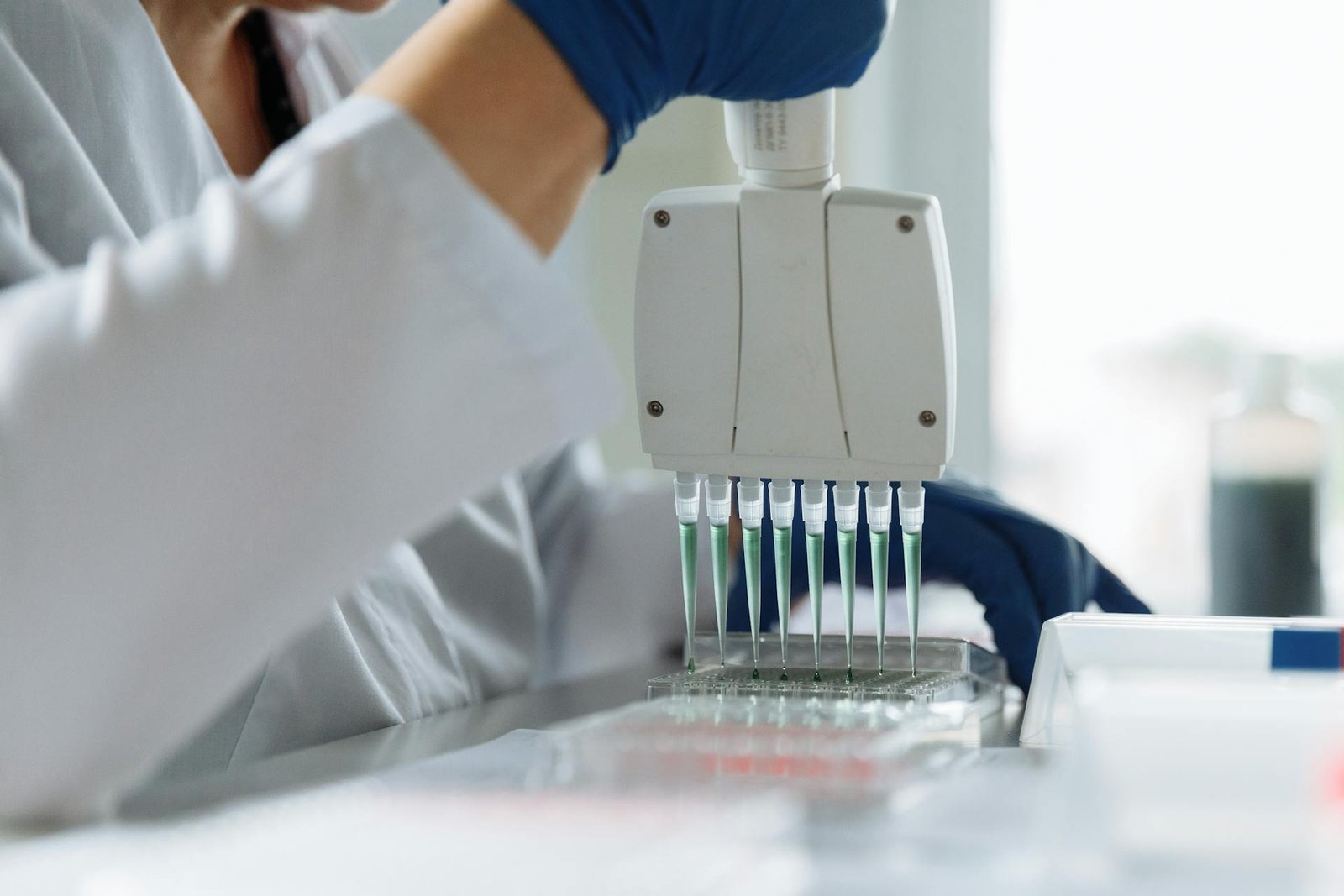
MSC therapy is usually performed as a simple injection procedure. After collecting and preparing the cells, doctors inject them directly into the affected area—such as a joint, tendon, or spine—or sometimes deliver them through intravenous (IV) infusion for broader systemic conditions.
Once introduced into the body, MSCs act like biological messengers. They do not merely replace damaged tissue; instead, they signal local cells to repair, reduce swelling, and restore balance. Over time, this process may help tissues recover function and reduce pain naturally.

A title
Image Box text
Conditions That May Benefit from MSC Therapy
Research and clinical use have shown encouraging results in a wide range of painful and degenerative conditions:
| Category | Examples of Conditions | How MSCs May Help |
|---|---|---|
| Joint and Cartilage Disorders | Osteoarthritis of the knee, hip, or shoulder; post-traumatic arthritis | Reduces inflammation, protects cartilage, and supports new cartilage growth to ease stiffness and pain. |
| Spine and Back Pain | Degenerative disc disease, facet joint arthritis, sciatica | Helps calm inflammation around spinal nerves and promotes healing of disc or joint tissue. |
| Tendon and Ligament Injuries | Rotator cuff tears, tennis elbow, Achilles tendinitis, knee ligament strain | Enhances repair of tendon fibers and shortens recovery time. |
| Muscle Pain and Injury | Chronic muscle strain or sports-related microtears | Promotes muscle regeneration and improves oxygen delivery to damaged fibers. |
| Autoimmune and Inflammatory Pain | Rheumatoid arthritis, lupus-related joint pain | Regulates immune activity and decreases inflammatory chemicals that cause ongoing pain. |
| Neuropathic Pain (Nerve-related) | Peripheral neuropathy, diabetic nerve pain, post-surgical pain | May support nerve repair and improve microcirculation in affected areas. |
Many of these conditions are difficult to treat with standard therapies alone. MSC therapy offers a way to target the root causes—inflammation, tissue breakdown, and immune imbalance—rather than just the symptoms.
Treatment Process and Recovery
A typical MSC therapy plan involves several steps:

Consultation and evaluation: The doctor reviews your condition, medical history, and imaging results to determine suitability.

Cell preparation: MSCs are obtained from a safe, sterile source—often from your own bone marrow or fat tissue, or from donor umbilical cord tissue collected after healthy births.

Injection or infusion: The cells are introduced to the target area using precise imaging guidance to ensure accuracy.
Recovery and follow-up: Most patients can resume normal activities within a day or two. Improvements often appear gradually over weeks as inflammation decreases and healing progresses.
The procedure is minimally invasive and typically performed on an outpatient basis, without the need for general anesthesia or long downtime.
Safety and Considerations
MSC therapy is generally considered safe and well tolerated when conducted under medical supervision.

Side effects are usually mild and temporary, such as soreness at the injection site or slight fatigue.

Since MSCs are biologically compatible, the risk of rejection is very low, especially when using one’s own cells (autologous therapy).

Donor-derived (allogeneic) MSCs are thoroughly tested for infections, viability, and quality before use.
Patients should always seek treatment in a licensed, regulated medical facility that follows strict cell-processing standards.
It is important to understand that while stem cell therapy shows promise, results can vary depending on factors like age, condition severity, lifestyle, and overall health.

A title
Image Box text
A Regenerative Approach to Pain
Traditional pain treatments often focus on blocking pain signals, but MSC therapy works differently—it supports the body’s natural healing and rebuilding processes.
Thus, by calming inflammation and regenerating tissues, MSC therapy may provide longer-lasting comfort and improved movement.
Many patients who have undergone MSC therapy report reduced pain, less stiffness, better sleep, and greater freedom in daily activities. These results are encouraging, especially for those who have exhausted conventional options.
In Summary
Stem cell therapy, especially with mesenchymal stem cells, represents a new era in pain management. Instead of simply masking discomfort, it addresses the underlying causes of chronic pain—helping tissues heal and restoring mobility.
From arthritic joints and spinal pain to sports injuries and nerve-related pain, MSC therapy offers hope for a gentler, more natural path to recovery.
If chronic pain has limited your movement or quality of life, consider learning more about MSC-based regenerative treatments. Talk to your healthcare provider about whether this innovative therapy could be part of your personalized plan for relief and renewal.
Because real healing begins when pain no longer holds you back.

A title
Image Box text