A title
Image Box text
The Hidden Regenerative Potential Within Us
Just imagine if all our organs could regenerate even after extensive damage, then humans may live significantly longer. However, this is not pure imagination. In fact, most human organs do regenerate to certain degree.
Ability of organs to regenerate is particularly high at young age, but declines with aging. Thus, for example, humans change skin several times during their lifetime. However, due to slowdown in regeneration pace wrinkles occur.
Nonetheless, some tissues remain incredibly efficient at regeneration. One such example is the blood cells. They keep regenerating every few months. So, human red blood cells live for just 90-120 days. It means, our blood is completely renewed every three months.
Regretfully, most organs are very slow to regenerate, and some may barely regenerate like joint cartridges, or some internal organs.
So, stem cells therapy tries boosting this regenerative power.
How Does Stem Cell Therapy Work? – Bare Basics.
Just imagine if there was a seed from which any plant or flower can be grown, just depending on what kind of fertilizers you use. That may sound fantastic, unbelievable. But, this is exactly what is possible via stem cell therapy.
For example, there are so-called pluripotent stem cells. It means that these cells can grow to form just any tissue or organ. Yes, such cells exist in human body. They are particularly in abundance in bone marrow, where they outgrow to form red blood cells, white blood cells, and more.
But, these stem cells are also present in other tissues. Though they were first identified in bone marrow, but soon science found them in abundance in the placenta.
As the science progressed, they found that stem cells are, in fact, present all the body tissues, like in fats tissues, muscles, and more. However, they are present in smaller amounts in other body tissues, relative to bone marrow.
As science progressed, researchers also realized that there are different kinds of stem cells. Some may outgrow to just any body tissue (most potent/pluripotent), and then there are cells that may outgrow to form only specific kind of tissues.
Not only that, stem cells also produce different bioactive compounds, helping boost regenerative processes, reduce inflammation, modulate immunity, and much more.
In short, stem cell therapy is about using these special cells to regenerate body tissues, boost body’s healing abilities. Regenerative medicine is still in its early stages, nonetheless, it can do wonder in some health conditions.

A title
Image Box text
Different Types of Stem Cells
As we already mentioned previously, there are different kinds of stem cells, some are more potent, while others are easier to regulate.
Stem cells can be classified according to their potency:

Totipotent stem cells can form all cell types in the body, including extraembryonic tissues (e.g., zygote).

Pluripotent stem cells (like embryonic stem cells) can give rise to almost any cell type in the body but not extraembryonic tissues.

Multipotent stem cells can form a limited range of cell types within one tissue family (e.g., hematopoietic stem cells form blood cells).

Unipotent stem cells can produce only one cell type but still possess self-renewal ability.
If we see from the information above, totipotent, and pluripotent cells may sound as panacea, a kind of cells that might be able to help just in any health condition. Yes, theoretically that is true. However, such a potent cells are still quite challenging to manage. Science is still understanding how to regulate them properly, so that they only form specific tissues.
So, to be on safe side, science is more aggressively exploring benefits of multipotent cells. These cells are relatively easier to control, much safer, and can be good for managing specific health conditions.
At Rinnovare, we mostly use Mesenchymal Stem Cells, a kind of multipotent cells with excellent safety profile.
Mesenchymal Stem Cells (MSCs)
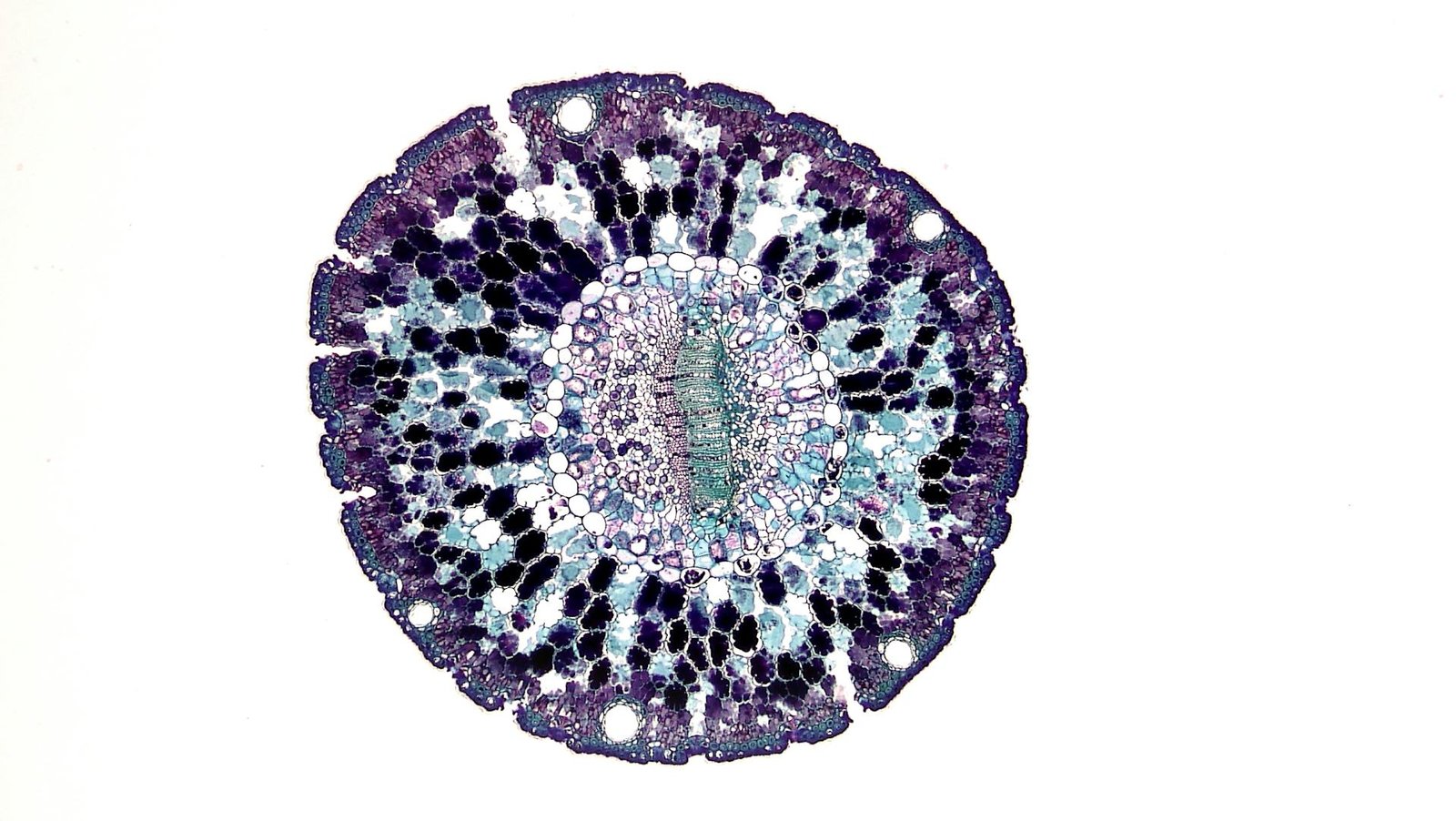
Mesenchymal stem cells (MSCs) are a type of multipotent adult stem cell first discovered in bone marrow but also present in adipose tissue, umbilical cord, placenta, dental pulp, and other sources.
Key Characteristics:
- MSCs can self-renew and differentiate into osteoblasts (bone cells), chondrocytes (cartilage cells), and adipocytes (fat cells).
- They express specific surface markers (positive for CD73, CD90, CD105; negative for CD34, CD45).
- They can be expanded in culture and retain therapeutic properties. In simple language, it means that we can extract few MSC cells from certain tissues like fat cells (most readily accessible source in patients), and then multiply them in labs to increase their quantity to manage health conditions.
Mechanisms of Action:
MSCs contribute to tissue repair not only by differentiating into local cells but also through paracrine effects, which means that they release bioactive molecules (cytokines, growth factors, and exosomes) that:
- Reduce inflammation
- Suppress immune responses
- Promote angiogenesis (formation of new blood vessels)
- Encourage native cell regeneration
Clinical Research and Uses:
MSCs are under extensive investigation for multiple diseases:
- Orthopedic conditions: cartilage and bone repair in osteoarthritis and fractures
- Cardiovascular diseases: myocardial infarction and peripheral artery disease
- Neurological disorders: stroke, spinal cord injury, multiple sclerosis
- Autoimmune and inflammatory diseases: Crohn’s disease, rheumatoid arthritis, graft-versus-host disease (GVHD)
- COVID-19–related lung injury: studied for their immunomodulatory potential
Advantages of MSCs:
- Easy to isolate and expand in vitro
- Low immunogenicity (can be used allogeneically)
- Potent anti-inflammatory and regenerative properties
| Source | Tissue Origin | Key Advantages | Limitations / Cons | Collection & Logistics |
|---|---|---|---|---|
|
Bone Marrow–Derived MSCs (BM-MSCs)
|
Bone marrow aspirate (usually from iliac crest) |
|
|
|
|
Adipose-Derived MSCs (AD-MSCs)
|
Subcutaneous adipose (fat) tissue obtained by liposuction |
|
|
|
|
Umbilical Cord / Wharton’s Jelly MSCs (UC-MSCs)
|
Wharton’s jelly within umbilical cord (collected after birth) |
|
|
|
Autologous vs. Allogenic Stem Cell Therapy
As we previously mentioned that stem cells can be extracted and expanded in lab, increasing their quantity and even quality. It means that there is a need of just small amounts of stem cells.
Above we have already discussed sources of MSC cells, most commonly used, but what about donor?
Well, mostly stem cells can be derived from tissues of the person who will later receive stem cell therapy (autologous), though in rare cases one might use MSC cells obtained from a donor (allogenic).
So, autologous therapy is when stem cells are harvested from the patient (for example, bone marrow or adipose tissue), processed or expanded in the laboratory, and then reintroduced into the patient’s body at the target site (such as a joint, heart muscle, or injured tissue).
Such kind of therapy is generally advantageous, with some limitations.
Advantages:
- No risk of immune rejection, since the cells are from the same person.
- No ethical or regulatory barriers related to donor sourcing.
- Lower risk of disease transmission.
- Preferred for personalized regenerative treatments.
Limitations:
- The patient’s own cells may be of poor quality or low yield, especially in older adults or those with chronic disease.
- Harvesting procedures (bone marrow aspirate or liposuction) may be invasive.
- Time-consuming, as cells need to be collected, expanded, and prepared before treatment.
Sometimes, it is better to use donor stem cells, moreover some sources are quite accessible and commonly used like stem cells from umbilical cord.
In allogeneic therapy, stem cells are obtained from a donor, typically a healthy volunteer, and used to treat another person (the recipient). Donor cells (such as from umbilical cord, Wharton’s jelly, bone marrow, or adipose tissue) are isolated, screened, and expanded to create standardized, ready-to-use (“off-the-shelf”) cell products that can be administered to multiple patients.
Advantages:
- Cells are often younger and more potent, especially those from perinatal tissues like umbilical cord.
- Enables immediate treatment—no need to wait for patient-specific cell processing.
- Allows for large-scale production and cryopreservation for future use.
- Simplifies logistics for clinical trials and commercial therapies.
Limitations:
- Potential immune rejection or host-versus-graft reactions, though MSCs are relatively immune-tolerant.
- Requires strict donor screening to prevent disease transmission.
- Regulatory oversight is more stringent due to donor-derived origin.
- Long-term safety data are still being developed for some allogeneic products.
| FEATURE | AUTOLOGOUS | ALLOGENEIC |
|---|---|---|
| Cell Source | Patient’s own cells | Donor’s cells |
| Immune Compatibility | Fully compatible | Possible immune reaction (usually low with MSCs) |
| Availability | Limited, requires patient collection | Readily available (“off-the-shelf”) |
| Processing Time | Slower (custom preparation) | Faster (pre-prepared batches) |
| Cell Quality | Depends on patient age and health | Typically higher from young, healthy donors |
| Regulatory Complexity | Lower | Higher (donor testing, safety documentation) |
| Cost | Often higher per case | Lower for large-scale production |
| Common Sources | Bone marrow, adipose tissue | Umbilical cord, Wharton’s jelly, donor bone marrow/adipose |
In Practice
- Autologous MSC therapy is often used in orthopedics and sports medicine (e.g., cartilage repair, tendon injuries) where a patient’s own cells can be readily obtained.
- Allogeneic MSC therapy is gaining popularity for systemic or immune-related conditions (e.g., graft-versus-host disease, inflammatory disorders) because of its scalability and strong immunomodulatory effects.
How Stem Cells Are Given?
Stem cells can be given to the body in several ways. The method used depends on the condition being treated and where the repair is needed.
| Delivery Method | How It’s Done | When It’s Used | Main Idea |
|---|---|---|---|
| Intravenous (IV) infusion | Stem cells are injected into a vein, usually in the arm. | For whole-body or immune-related conditions, such as inflammation or lung injury. | Cells travel through the bloodstream and may reach injured tissues naturally. |
| Local injection | Cells are injected directly into the affected area (for example, a joint, tendon, or wound). | For orthopedic problems, arthritis, or soft-tissue repair. | Puts cells right where they are needed for faster local action. |
| Intrathecal injection | Cells are injected into the space around the spinal cord using a lumbar puncture. | For neurological conditions such as spinal cord injury, stroke, or multiple sclerosis. | Delivers cells close to the brain and spinal cord for potential nerve repair. |
| Intra-arterial or organ-specific delivery | Cells are guided into arteries that feed specific organs (for example, the heart or liver). | For heart disease, liver injury, or stroke. | Brings cells directly to a target organ for better concentration. |
How the Route Influences Effectiveness
The way stem cells are delivered can affect how well they work:
- IV infusion spreads cells through the blood but fewer may reach one target area. It’s good for systemic effects such as reducing inflammation.
- Local injection gives high concentration at the site of damage, often better for tissue repair like bone, cartilage, or tendon.
- Intrathecal delivery helps cells reach the central nervous system, where regular IV infusion cannot.
- Organ-specific routes improve targeting and retention but require more advanced techniques.
Choosing the right route depends on the disease, safety, and goals of treatment. Doctors often combine methods or use imaging to guide where cells go.
Safety Considerations
Stem cell therapy is usually well tolerated, especially when using mesenchymal stem cells (MSCs), but safety always depends on how and where it is done.
Main safety points:
- Procedures must be done in sterile, approved medical settings to avoid infection.
- Autologous cells (from the patient’s own body) have very low rejection risk.
- Allogeneic cells (from a donor) are generally safe but must be carefully screened for infections and compatibility.
- Short-term effects may include mild fever, pain, or swelling at the injection site.
- Serious side effects are rare when therapy is properly prepared and monitored.
- Quality control, correct dosing, and professional supervision are essential to prevent complications like clotting, immune reaction, or unwanted tissue growth.
In Simple Terms
How stem cells are given matters. An IV infusion works throughout the body, a local injection targets one area, and intrathecal delivery reaches the brain or spine. When performed safely by trained specialists, these treatments can support healing and reduce inflammation — but they must always follow strict medical and ethical standards.
The Bottom Line
Stem cell therapy represents one of the most promising advances in modern regenerative medicine. Among all types, mesenchymal stem cells (MSCs) stand out for their ability to reduce inflammation, promote healing, and support tissue repair in a wide range of conditions. Whether obtained from bone marrow, fat tissue, or umbilical cord sources, these cells offer unique possibilities for improving quality of life and restoring function in ways traditional medicine often cannot.
As research continues, the safety, precision, and accessibility of MSC-based treatments are improving rapidly. Patients, clinicians, and caregivers are encouraged to learn more, ask questions, and explore the expanding applications of stem cell therapy.
Stem cell science is not just about treating disease; it is about unlocking the body’s own potential to heal. Staying informed today may open the door to the therapies of tomorrow.